
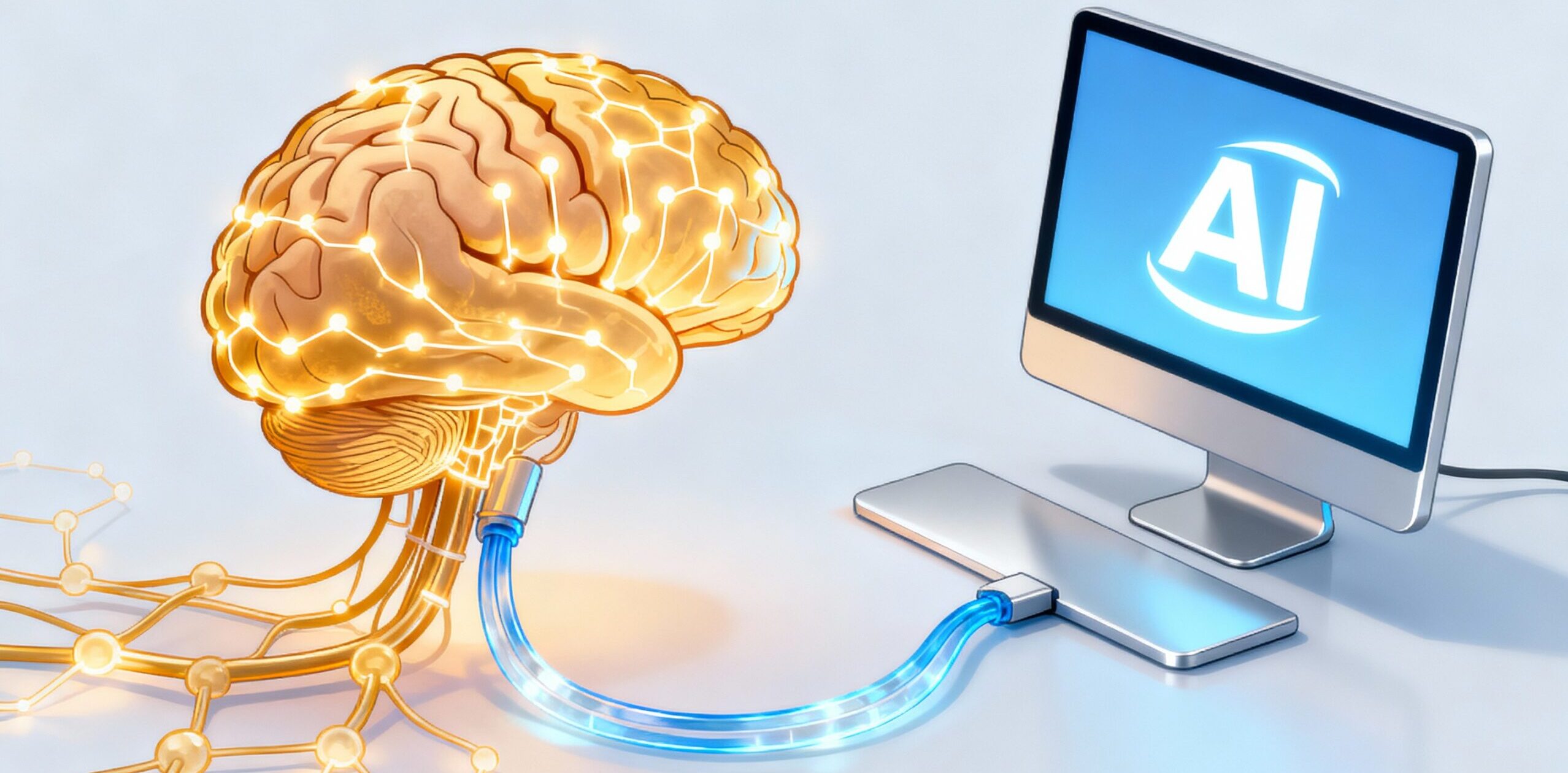
If words like artificial intelligence, machine learning, deep learning or GPT sound confusing or technical, this guide is for you. Think of it as a friendly conversation, not a textbook. The goal is to help you understand what AI really is, what comes under it, and how popular concepts like machine learning, NLP, and large language models fit together.
What is Artificial Intelligence?
At its core, Artificial Intelligence (AI) is a field of computer science focused on creating machines that can perform tasks that typically require human intelligence. This includes things like learning, problem-solving, understanding language, and recognizing objects. Think of it as building a “brain” for a computer, allowing it to learn and make decisions on its own.
What Comes Under Artificial Intelligence?
AI is a broad field, like a big umbrella covering many different areas. Under this umbrella, there are several important branches and techniques. Some of the key areas include machine learning, deep learning, computer vision, natural language processing (NLP), generative AI, different LLMs and sometimes robotics.
Machine Learning: How Computers Learn from Data

Machine learning is one of the most important parts of AI today. Instead of programming a computer with every tiny rule, we give it lots of examples and let it learn patterns on its own. It is similar to how a child learns: by seeing many examples, making mistakes, and gradually understanding what is correct.
There are three major types of machine learning that beginners should know: supervised learning, unsupervised learning, and reinforcement learning.
In supervised learning, the computer learns from labeled examples. Imagine you are teaching a child the difference between apples and bananas. You show pictures and say, “This is an apple” and “This is a banana.” Over time, the child learns to recognize them without your help. In the same way, a computer is given data along with the correct answers. For example, it might be given thousands of images labeled as “cat” or “dog.” After learning from these examples, it can look at a new image and predict whether it is a cat or a dog. Supervised learning is used for tasks like predicting house prices, classifying emails as spam or not spam, or recognizing handwritten digits.
Unsupervised learning is different because there are no labels or fixed answers. The computer only gets raw data and has to discover patterns on its own. It is like giving someone a box full of mixed objects and asking them to group similar items together without telling them how. The computer might group customers into segments based on their behavior, cluster similar products together, or find unusual patterns that stand out, such as suspicious transactions. This type of learning is very useful for exploring data and discovering hidden structure.
Reinforcement learning is based on trial and error with rewards and penalties. Think of training a dog: when it does something good, you give it a treat; when it does something wrong, you say no. Over time, the dog learns what behavior earns rewards. In reinforcement learning, an AI “agent” interacts with an environment, takes actions, and receives feedback in the form of rewards or punishments. Over many trials, it learns what actions work best. This approach is widely used in game-playing AIs, robotics, and even in controlling self-driving cars, where the AI must learn how to behave safely and efficiently in a changing environment.
Deep Learning and Computer Vision
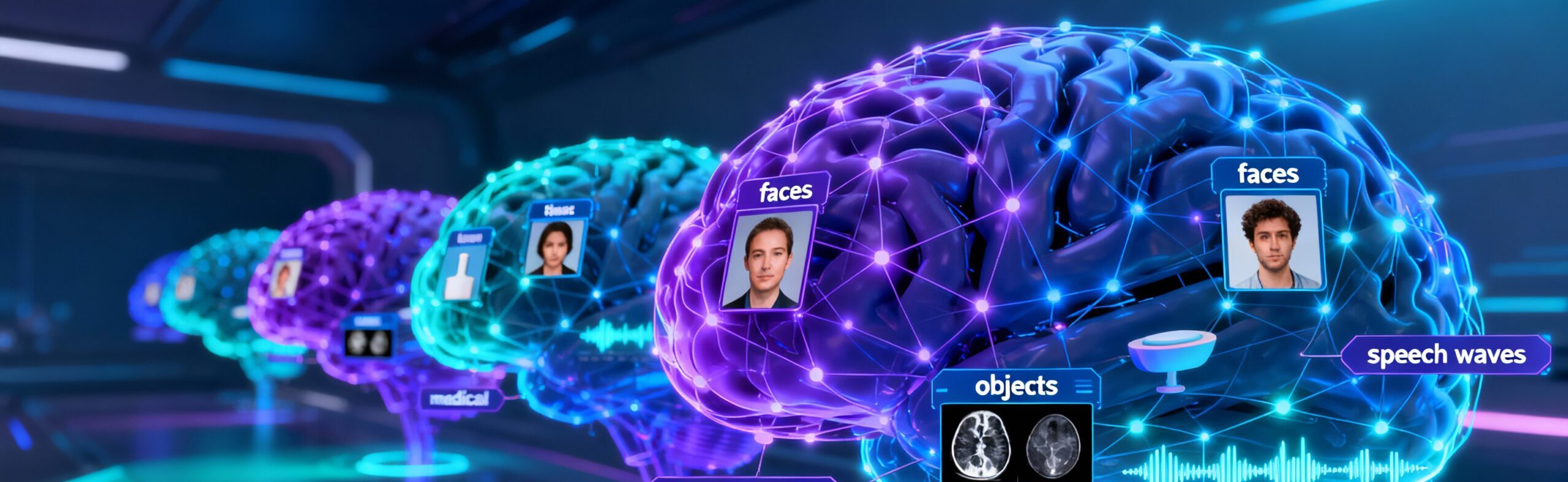
Deep learning is a special subfield of machine learning that uses artificial neural networks with many layers. These networks are inspired loosely by the human brain. The word “deep” comes from the fact that there are multiple layers of processing, each layer learning more and more abstract features from the data.
Deep learning became very popular because it can handle extremely complex tasks that were previously very hard for computers, such as understanding speech, recognizing faces, or translating languages automatically. The same deep learning techniques are used in applications like voice assistants, photo tagging on social media, and automatic captioning of images.
Computer vision is another major area within AI that often uses deep learning. While humans naturally understand what they see, computers need special algorithms to do that. Computer vision is about teaching machines to interpret and analyze visual information from the world, such as photos and videos. With computer vision, AI systems can recognize objects in images, detect faces, understand the scene in front of a camera, read handwritten text, or assist doctors by analyzing medical scans. Together, deep learning and computer vision power many of the “magical” AI features people see in everyday apps.
Generative AI: When Machines Start Creating
Generative AI is a type of AI focused on creating new content rather than just analyzing existing data. Instead of just answering questions or classifying data, generative AI can write text, generate images, compose music, create code, or even design logos.
For example, text-based generative AI can help you write emails, social media posts, articles, or stories. Image-based generative AI can create artwork from a simple text prompt, such as “a sunset over mountains in watercolor style.” These systems are trained on huge collections of examples and learn the patterns of how language, images, or sounds are structured. Once trained, they can produce completely new outputs that look like they were made by humans.
Much of generative AI is powered by deep learning and, in the case of text, by large language models, which brings us to the next important topic.
Natural Language Processing (NLP): Teaching Computers to Understand Language
Natural Language Processing, or NLP, is the branch of AI that deals with human language, both written and spoken. Human language is full of ambiguity, slang, emotions, and context, which makes it challenging for machines. NLP tries to bridge this gap.
NLP allows computers to read, understand, and generate text in a way that feels natural to us. It powers chatbots that handle customer support, virtual assistants that respond to your voice commands, translation tools that convert one language to another, and systems that can summarize long articles or analyze the sentiment of social media posts.
When you speak to a virtual assistant and it responds appropriately, or when an app suggests an auto-complete sentence while you are typing, NLP is actively working in the background. It combines language rules, statistics, and machine learning models to make sense of what you say and to generate meaningful replies.
Large Language Models (LLMs): The Brains Behind Modern AI Chatbots
Large Language Models, commonly called LLMs, are one of the most powerful and visible results of modern AI. An LLM is an AI model trained on an enormous amount of text data like books, articles, websites, conversations, and more. Because it has “read” so much text, it becomes very good at understanding language patterns and predicting what should come next in a sentence.
When you ask an LLM a question, it does not simply look up answers. Instead, it uses what it has learned about language and knowledge to generate a response word by word, trying to produce a coherent and relevant answer. This is what makes AI chatbots feel conversational and intelligent.
LLMs can do many things: they can answer questions, explain complex topics in simple language, help write code, summarize long documents, create stories, assist with emails, translate between languages, and even act as a personal tutor. Technically, they sit at the intersection of machine learning, deep learning, and NLP. They are trained using different techniques and optimized to handle many different language tasks using the same underlying model.
The Bottom Line

To summarize in a simple way, Artificial Intelligence is the overall field of making machines smart. Machine learning is how these machines learn from data. Deep learning is a powerful subset of machine learning that uses deep neural networks. Computer vision is about helping machines interpret images and videos. Natural Language Processing helps them understand and generate human language. Generative AI allows them to create new content. Large language models are advanced AI systems that specialize in working with text and language at a very high level.
All these concepts are connected, and together they are shaping the technology used in phones, apps, websites, cars, hospitals, and businesses around the world.